
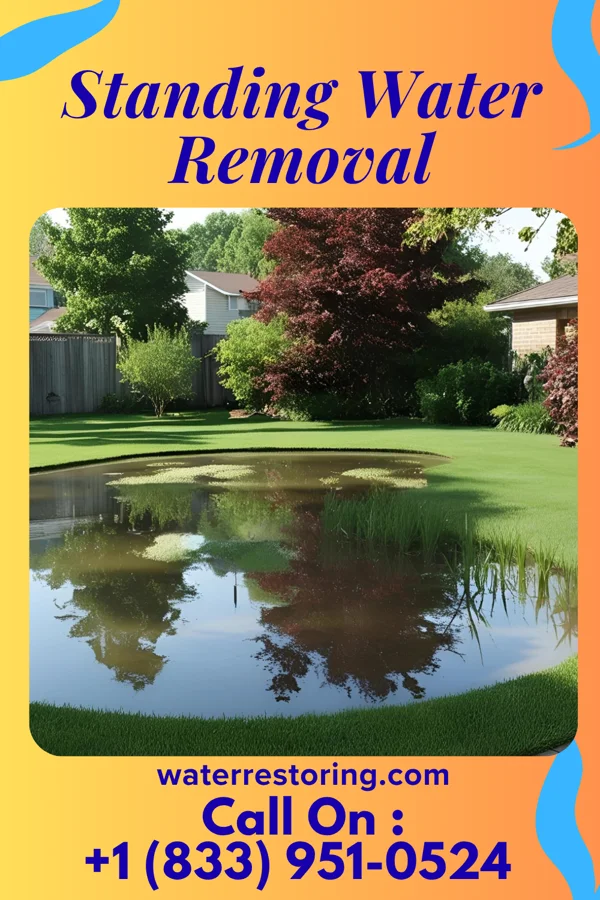
When Dixon Properties Need Standing Water Removal
Water damage in Dixon usually starts with In Dixon, Iowa, the primary water damage causes include sudden plumbing failures, such as burst pipes in rural homes and commercial properties, and heavy rainfall events that overwhelm drainage systems near Big Rock, IA. Additionally, agricultural runoff from nearby farms can lead to water infiltration in low-lying areas of Plainview and New Liberty.. A close second is Secondary causes include malfunctioning sump pumps in older homes, groundwater seepage in basements of properties near the Cedar River, and leaks from aging infrastructure in the rural parts of Scott County. These issues are often exacerbated during the spring thaw or heavy summer storms.. Professional restoration follows the IICRC protocol on every job. Assess. Extract. Dry. Sanitize. Document.
Dixon, Iowa experiences a humid continental climate with significant precipitation, especially in the spring and fall, which increases the risk of water damage. The region's flat terrain and proximity to rivers like the Cedar can lead to prolonged water exposure in residential and agricultural settings.
Water damage in Dixon follows a few local patterns. In Dixon, Iowa, the primary water damage causes include sudden plumbing failures, such as burst pipes in rural homes and commercial properties, and heavy rainfall events that overwhelm drainage systems near Big Rock, IA. Additionally, agricultural runoff from nearby farms can lead to water infiltration in low-lying areas of Plainview and New Liberty. accounts for the bulk of our calls. Dixon, Iowa experiences a humid continental climate with significant precipitation, especially in the spring and fall, which increases the risk of water damage. The region's flat terrain and proximity to rivers like the Cedar can lead to prolonged water exposure in residential and agricultural settings. Mold growth in Dixon can begin within 48 hours of water exposure, particularly in homes with poor ventilation or high humidity levels. Rural properties with limited access to professional services are at higher risk of mold proliferation if not addressed promptly.
For public guidance on the health effects of mold after prolonged water exposure, see the EPA mold and health page.